EN
CN


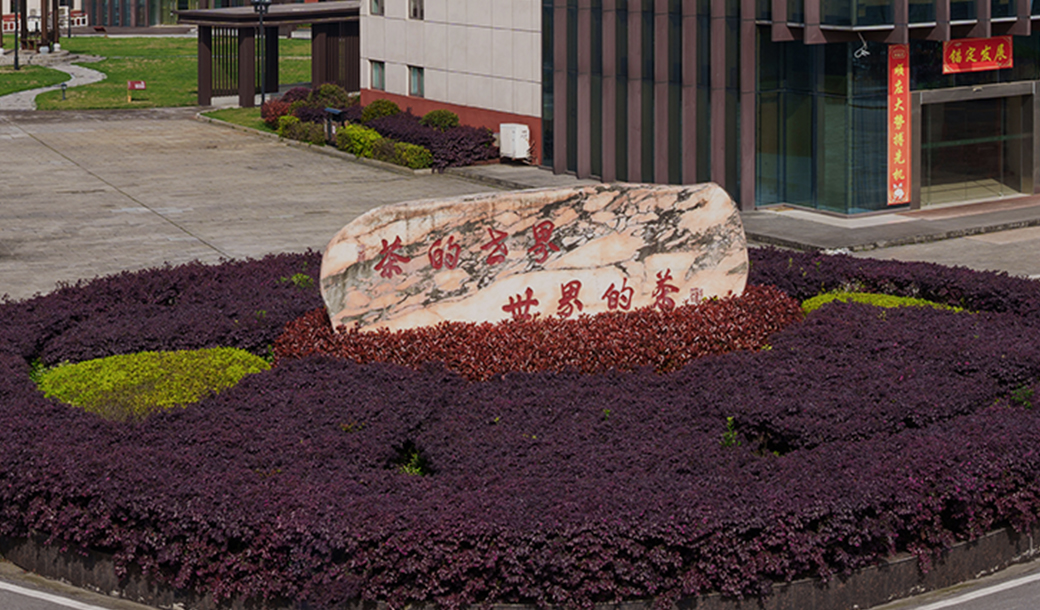



The ancient town of Yang Lou Dong, located at the southern foothill of Mufu Mountains, is the southern portal of Hubei. Several rivers originating from Mufu Mountains, including Nieshui River, Panhe River, Lushui River, Tingsi River, and Gan River, give birth to the unique natural environment for tea cultivation and make Jiangnan tea zone a natural tea-cultivation site. Situated at the very center of this relatively independent tea zone on south of Xianning and north of Yueyang, Yang Lou Dong tea-producing area is formed.

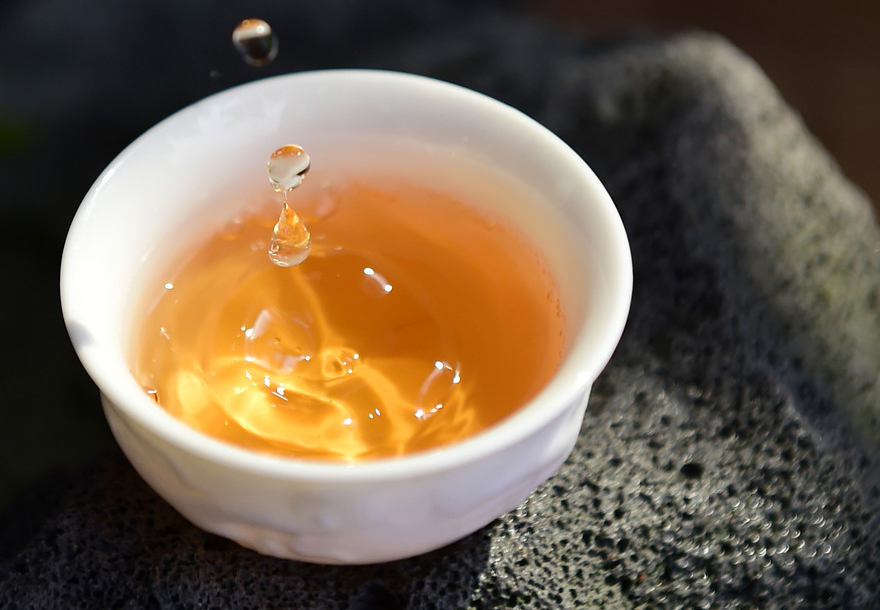
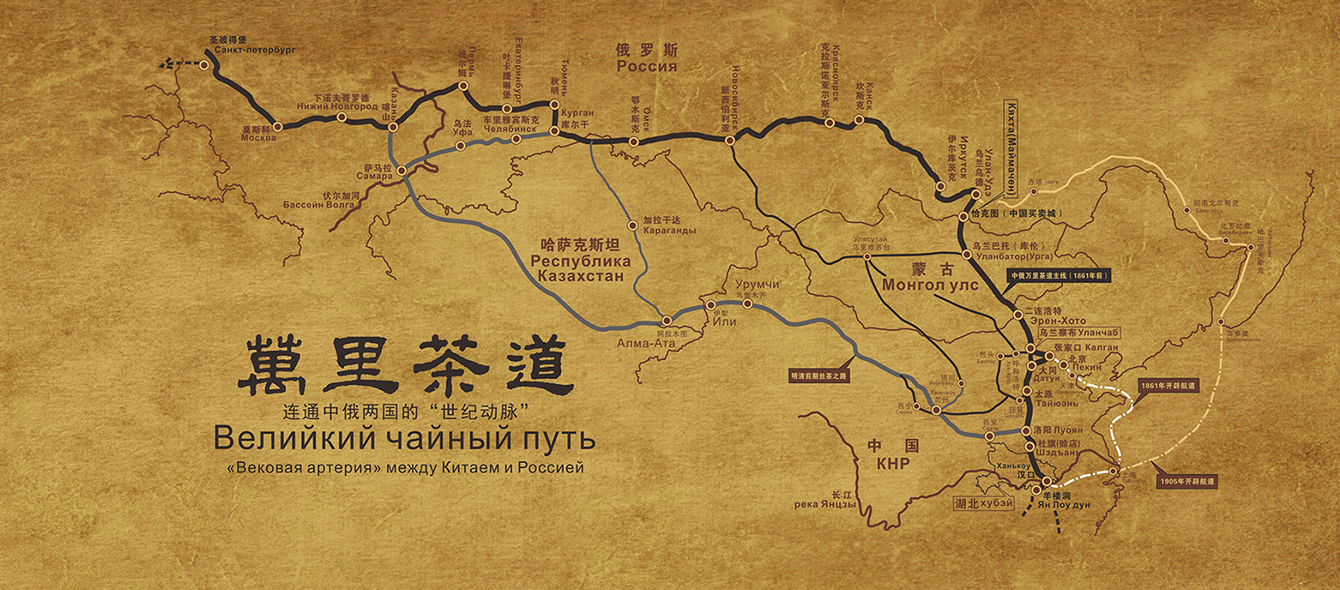
The Tea Road originating from Yang Lou Dong has a long course of development.
The first stage of the Tea Road’s development was from Tang and Song Dynasties to late Ming Dynasty. It was then called the Ancient Tea Horse (Trade) Road that featured distribution and sales of bulk tea and Crumby-cake tea.
The well-known Tao theorists and physicians of Tsin Dynasty, Ge Xuan and Ge Hong, both practiced Tao disciplines for several years in Puqi. Later GE Hong finished his famous book of Taoism Baopuzi, while GE Hong built a garden in Yaji Mountain where a variety of medicinal materials were planted. The garden could still be traced today, and now it is called “Herbal Garden”.
Puqi was a city of great political, economic, and military significance for Liu Song Dynasty during the Southern Dynasties. Here tea trees were widely planted in temples and Taoist abbeys, whereas tea was a major medical substance offered by the monks to the great public.
Tea-horse trade originated from Tang Dynasty. At that time, tea trees were planted across Yang Lou Dong. Farmers in this area were designated by the royal court as dedicated tea planters, constituting the basic cell in tea production cycle. They were just like the tea planters today and reflected the rising tea economy in Tang Dynasty.
During Jingde Period of Song Dynasty (1004-1007), it was recorded in Wanquan County Annals (i.e. gazetteers of prefectures and sub-prefectures of Hebei) that local officials started trading tea from Hubei and Hunan Provinces for horses from Mongolia. To be more specific, local officials distributed and sold the Crumby-cake tea from Hubei and Hunan Provinces to the Western Regions and traded with Mongolians for horses. The tea trade in Hubei and Hunan Provinces was quite prosperous at that time. The Tea Road with Yang Lou Dong as its starting point experienced a long history of development.【MORE】

回到頂部