EN
CN


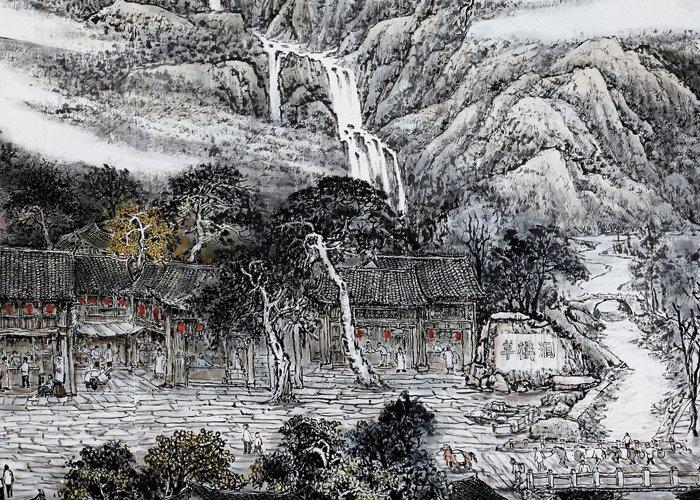
With Lao Qing Tea uniquely cultivated in southern Hubei as the raw material, Yang Lou Dong Qing Zhuan Tea is one of the six Lao Qing Teas in China. During the reign of Emperor Gaozong of Tang Dynasty, Yang Lou Dong located at the southern feet of Mufu Mountains was designated by the royal court in 682 as “garden area” due to wide plantation of tea trees and prosperous tea business in local place. Tea produced by this place was viewed as tributes to the royal family. Yang Lou Dong was named after tea and thrived with tea business.
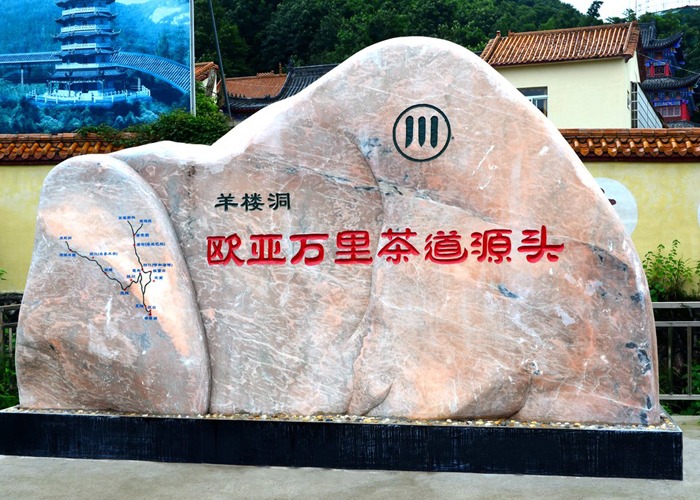
After signing of Sino-Russian Treaty of Kyakhta in 1727, Yang Lou Dong welcomed its further prosperity with local tea business. It ascended to be the starting point of the Tea Road connecting China and Russia, another international business route after the Silk Road. A three-century-long legend about Chinese Lao Qing Tea in Europe and Asia was formally unveiled.

The name of Yang Lou Dong could be traced to its history as a 1,000-year-old tea-producing town. Also called “Second Hankou”, it was once the starting point of the largest tea-making and longest thrived Eurasian Tea Road in the 17th century. The Yang Lou Dong tea produced here has a far-reaching effect on the business civilization of ancient Silk Road as well as the Eurasian Tea Road and cultural exchange between the East and the West. It was especially evident in the period of 17th-19th century when Qing Zhuan Tea and Mi Zhuan Tea from Yang Lou Dong were sold all the way to other Asian countries and European countries as well. At that time, those two types of tea had almost become a necessity of life for people living along the Tea Road for three hundred years. They were praised as “tea of life” and enjoyed the treatment as premium “state gift”. It was exactly during those two centuries with Yang Lou Dong becoming prosperous with its tea products that some world-renowned giant tea tra

回到頂部